Wired but Tired at Night? How to Calm a Stress Rhythm That Runs Late
Exhausted all day, then wide awake at bedtime. If that sounds familiar, your evenings may be sending your body the wrong signals. Here is how to change them.
Exhausted but unable to switch off, jumpy at small noises, restless at night? Here is what hyperarousal is, why it happens and how to help your body stand down.
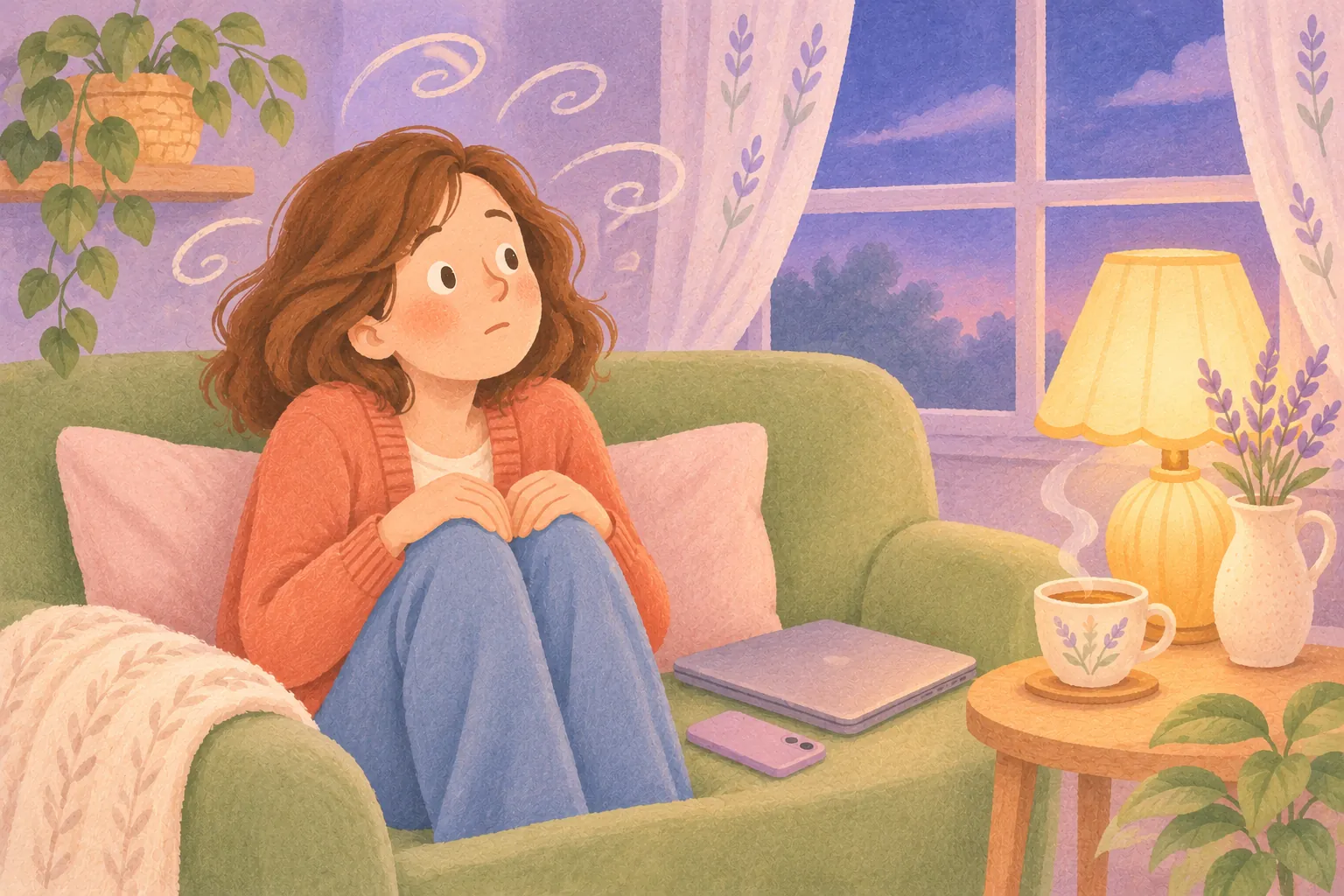
Hyperarousal is a fight-or-flight response that switches on too easily or stays active for too long, so you feel on high alert with no present danger. It can occur with ongoing stress, anxiety, insomnia and post-traumatic stress, and it is usually treatable.
Source for this summary: Hyperarousal: what it is, causes and treatment — Cleveland Clinic
You are exhausted, yet your body will not stand down. A door slams and you jump. Small noises feel loud. Your mind keeps scanning for the next problem, even on a quiet evening. If that sounds familiar, you may be living in a state called hyperarousal.
Hyperarousal describes a stress response that switches on too easily or stays on for too long. Cleveland Clinic describes it as a prolonged "fight-or-flight" response, like being on high alert when there is no present danger (Cleveland Clinic: Hyperarousal). It is not a diagnosis on its own. It is a pattern of symptoms that can show up with ongoing stress, anxiety, insomnia and post-traumatic stress.
The stress response itself is healthy. It sharpens your focus, raises your heart rate and releases hormones such as adrenaline and cortisol so you can deal with a challenge. The trouble starts when the "all clear" signal never quite arrives.
There is rarely one cause. Long stretches of pressure without recovery, poor sleep, too much caffeine, a frightening or traumatic experience, and health conditions such as an overactive thyroid can all play a part. Sleep and hyperarousal also feed each other: a tired brain is more reactive, and a reactive brain sleeps less. Researchers often describe chronic insomnia itself as a state of hyperarousal, by day as well as by night.
You cannot argue a nervous system into feeling safe. What helps is sending it repeated, physical signals that the danger has passed.
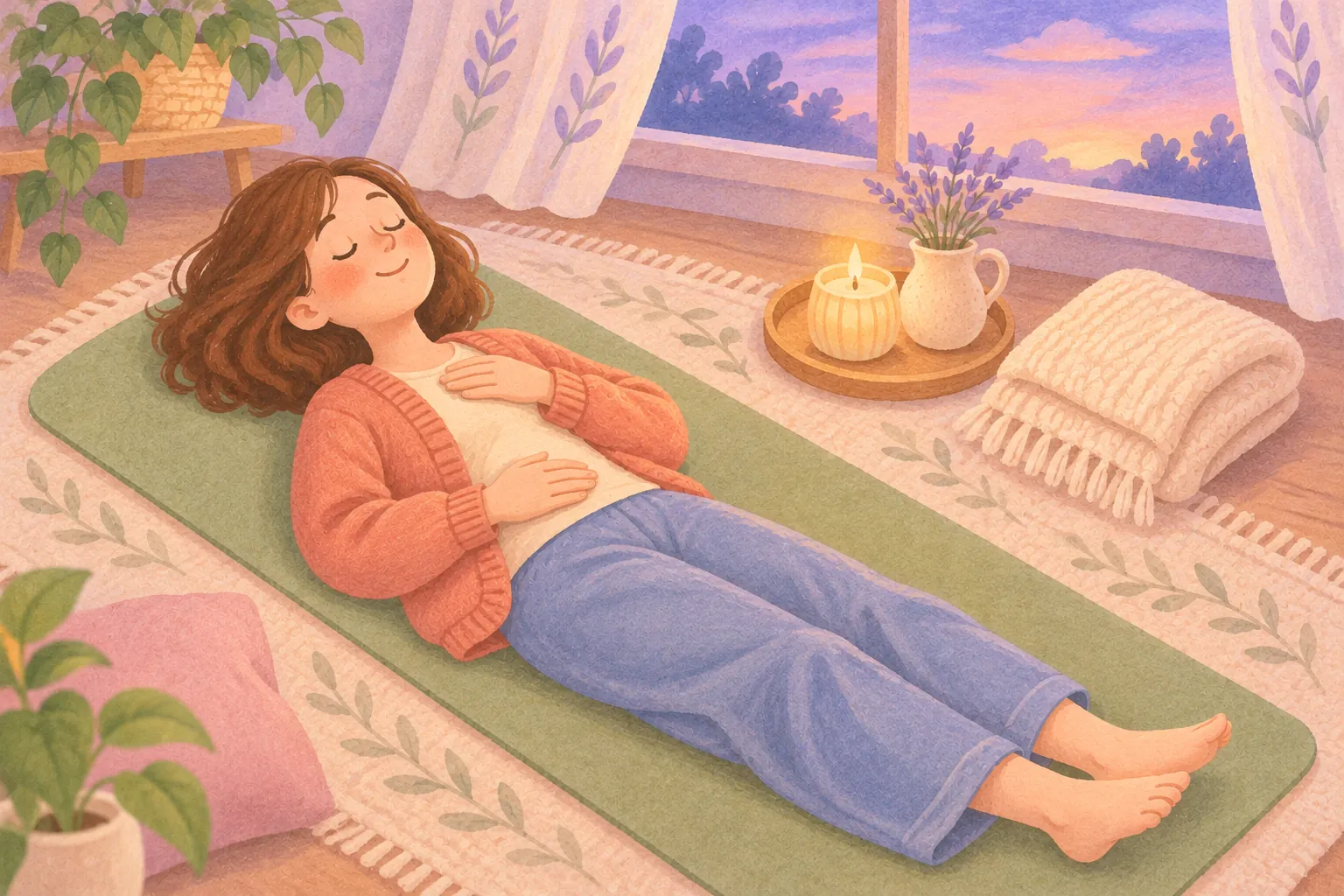
If hyperarousal follows a frightening or traumatic event, lasts for weeks, or gets in the way of work, relationships or sleep, talk to your doctor. Effective treatments exist, including trauma-focused therapies for post-traumatic stress and cognitive behavioural therapy for insomnia (CBT-I). A doctor can also check for physical causes such as thyroid problems. If you ever feel unsafe or think about harming yourself, contact emergency services or a crisis line straight away.
Being on high alert is not a personal failing. It is a protective system working overtime. With steady, repeated signals of safety, most people can teach it to rest again.
For education only. This content does not provide a diagnosis or replace care from a qualified healthcare professional. About Vital Life Journal & Our Content
 Hormones
Exhausted all day, then wide awake at bedtime. If that sounds familiar, your evenings may be sending your body the wrong signals. Here is how to change them.
 Hormones
Cortisol is not the villain wellness culture makes it out to be. Here is what it actually does, what a healthy daily rhythm looks like, and the everyday habits that push it off course.
 Wellness
Stop counting sheep. Start implementing these evidence-based strategies that transform your bedroom into a sleep sanctuary.