Mindful Eating: How to Actually Enjoy Your Food Again
We have forgotten how to eat. Here is how to slow down, pay attention, and rediscover the pleasure of a simple meal.
Dehydration is not just about thirst. It affects your energy, focus, skin, and digestion in ways you might not realize.

I thought I was drinking enough water. I had a water bottle. I drank when I was thirsty. What more could there be?
Then I started tracking my actual intake. Turns out, I was drinking maybe 3-4 cups a day. For someone who exercises regularly and drinks coffee, that was nowhere near enough. And it explained a lotthe afternoon fatigue, the headaches, the dry skin I blamed on winter.
Hydration is one of those things that seems too simple to matter. But the research is clear: even mild dehydration affects cognitive performance, mood, and physical function. And most of us are walking around mildly dehydrated without realizing it.
The "8 glasses a day" rule is a myth. Or at least, it is an oversimplification. Your water needs depend on your size, activity level, climate, and diet.
A better guideline: aim for about half your body weight in ounces per day. So if you weigh 150 pounds, that is roughly 75 ounces, or about 9 cups. If you exercise, live in a hot climate, or drink caffeine, you need more.
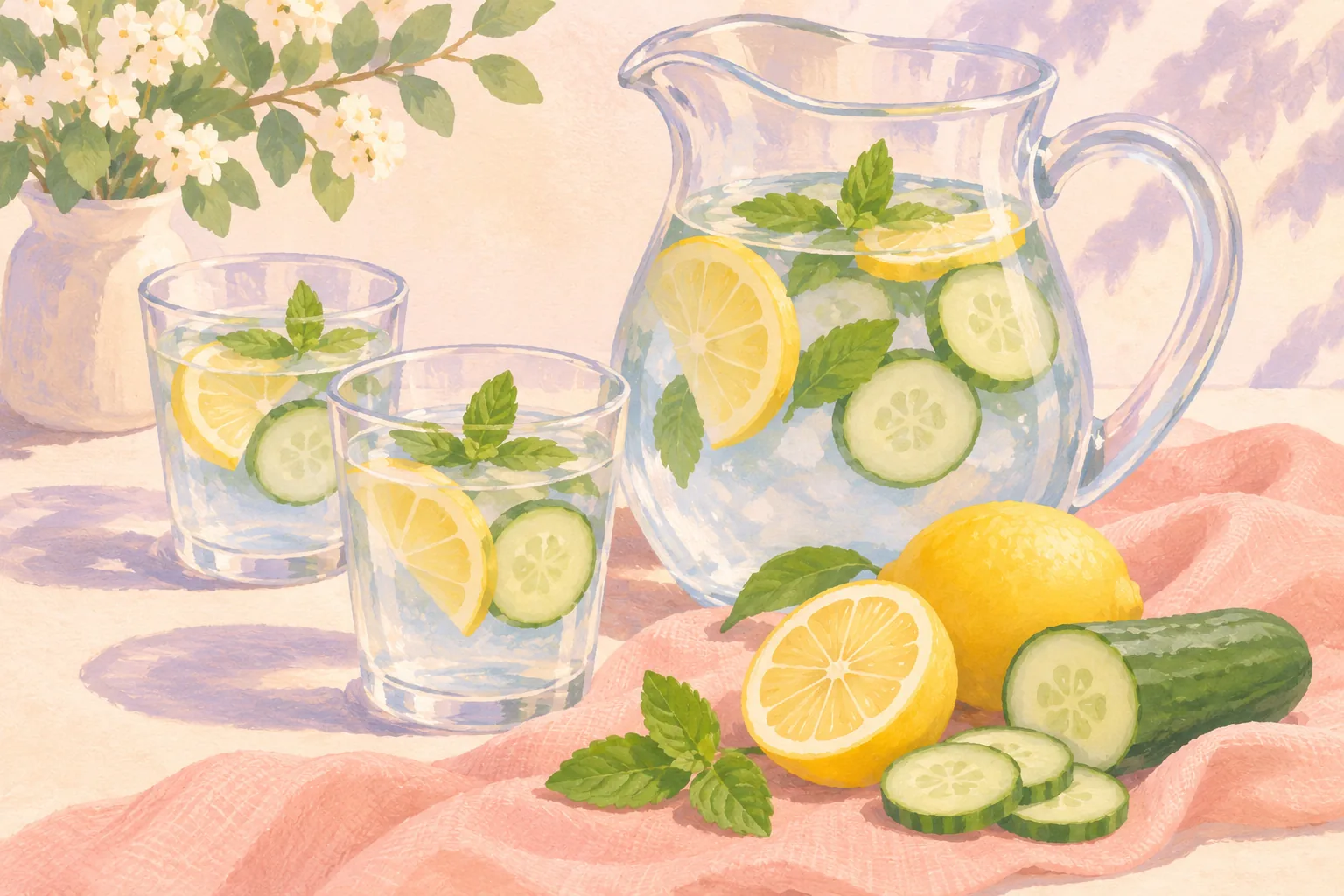
But here is the thing: you do not have to get all your water from plain water. Herbal tea, sparkling water, and water-rich foods like cucumbers, watermelon, and oranges all count.
Thirst is a late indicator of dehydration. By the time you feel thirsty, you are already behind.
Earlier signs include:
I used to get headaches almost every afternoon. I tried everythingmore sleep, less caffeine, better posture. What finally worked? Drinking more water in the morning and early afternoon.
Here is a strategy that changed everything for me: drink most of your water in the first half of the day.
I start my morning with 16 ounces of water before coffee. Then I aim for another 16 ounces mid-morning and 16 ounces with lunch. By 2 PM, I have already hit most of my hydration goal, and I am not waking up to use the bathroom all night.
This approach also helps with energy. When you hydrate early, you avoid the afternoon slump that comes from dehydration.
Coffee is not as dehydrating as people think. Yes, caffeine is a mild diuretic, but the water in coffee more than compensates for this effect.
That said, if you drink multiple cups of coffee, you should still drink plain water. Coffee does not replace waterit supplements it.
My rule: for every cup of coffee, I drink at least one cup of water. This keeps me balanced and prevents the jittery, dehydrated feeling that comes from too much caffeine without enough water.
Water is not the whole story. You also need electrolytessodium, potassium, magnesiumto maintain proper hydration.
If you exercise intensely, sweat a lot, or eat a very low-sodium diet, plain water might not be enough. You might need to add a pinch of sea salt to your water or use an electrolyte supplement.
I noticed a big difference when I started adding a pinch of sea salt and a squeeze of lemon to my morning water. It helped me feel more hydrated and energized, especially on workout days.
No amount of expensive skincare will fix dehydrated skin from the inside. I learned this the hard way after spending hundreds on serums and moisturizers while barely drinking any water.
When I finally started hydrating properly, my skin improved within a week. It looked plumper, less dull, and my fine lines were less noticeable. Hydration is the cheapest, most effective skincare product you can use.
The key to drinking more water is making it effortless. Here is what works:
I use a 32-ounce water bottle and aim to finish it twice by 2 PM. Simple, measurable, effective.
Hydration is not glamorous. It is not a hack or a trend. It is just basic biology. Your body is about 60% water. Every system in your body depends on it.
If you are tired, foggy, or struggling with your health, try drinking more water for two weeks. Track it. See how you feel. You might be surprised at how much better you function when you are properly hydrated.
It is one of the simplest, cheapest, most effective things you can do for your health. And yet, most of us are not doing it.
For education only. This content does not provide a diagnosis or replace care from a qualified healthcare professional. About Vital Life Journal & Our Content
 Nutrition
We have forgotten how to eat. Here is how to slow down, pay attention, and rediscover the pleasure of a simple meal.
 Nutrition
Chronic fatigue is not normal. It is a sign that your body is missing something. Here is how to reclaim your energy without relying on caffeine.
 Wellness
Your gut is not just about digestion. It is your second brain, influencing mood, focus, and mental clarity in ways you never imagined.