Understanding Your Gut Microbiome: A Beginner's Guide
Inside your digestive system lives a complex ecosystem of trillions of microorganisms. Here's why they matter more than you think.
Your gut is not just about digestion. It is your second brain, influencing mood, focus, and mental clarity in ways you never imagined.
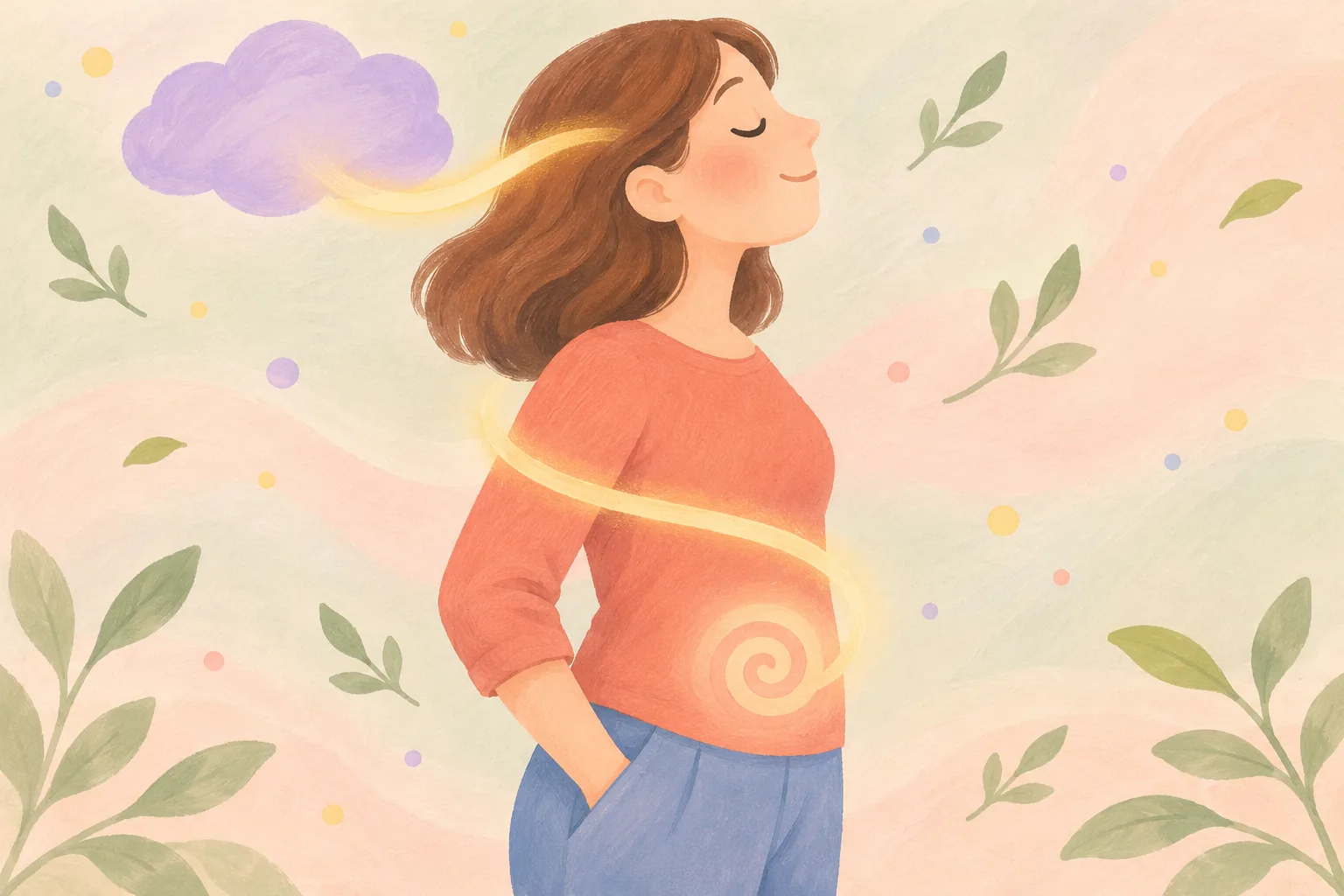
I spent years trying to fix my anxiety with meditation, therapy, and positive thinking. Nothing worked consistently. Then I learned about the gut-brain connection, and everything changed. The solution was not in my headit was in my stomach.
Your gut is home to trillions of bacteria that produce neurotransmitters, regulate inflammation, and communicate directly with your brain. When your gut is unhealthy, your mind suffers. Brain fog, anxiety, depression, and poor focus are not just mental issuesthey are often digestive issues in disguise.
The gut-brain axis is a two-way communication system between your digestive system and your brain. This connection happens through the vagus nerve, hormones, and the immune system. Your gut bacteria produce about 90% of your body's serotoninthe neurotransmitter responsible for mood regulation.
When your gut microbiome is balanced, you feel calm, focused, and emotionally stable. When it is disrupted, you experience anxiety, irritability, and mental fatigue. This is not a coincidence. Your gut health directly influences your mental state.

An unhealthy gut leads to inflammation, which affects brain function. Chronic inflammation is linked to depression, anxiety, and cognitive decline. When your gut lining is damageda condition called leaky guttoxins and undigested food particles enter your bloodstream, triggering an immune response that affects your brain.
I experienced this firsthand. My diet was full of processed foods, sugar, and alcohol. I felt anxious, foggy, and unmotivated. I thought it was stress. It was not. It was my gut screaming for help.
Your gut microbiome is like a garden. When you feed it the right nutrients, it thrives. When you feed it junk, weeds take over. Beneficial bacteria produce neurotransmitters like serotonin, dopamine, and GABA, which regulate mood and stress.
Harmful bacteria, on the other hand, produce toxins that increase inflammation and disrupt brain function. The balance between good and bad bacteria determines your mental clarity, emotional stability, and overall well-being.
Healing your gut starts with what you eat. Here are the foods that support a healthy microbiome:
When I started eating more fermented foods and fiber, my mental clarity improved within weeks. My anxiety decreased, my focus sharpened, and I felt more emotionally balanced.
Just as some foods heal, others destroy. These foods disrupt your microbiome and harm your mental health:
Cutting out these foods was hard at first. But the mental clarity I gained was worth it. I stopped feeling like I was living in a fog.
Probiotics are live bacteria that restore balance to your gut. Prebiotics are the food that keeps those bacteria alive. You need both for optimal gut health.
I started taking a high-quality probiotic supplement and eating more prebiotic foods. The difference was noticeable. My digestion improved, my mood stabilized, and my energy increased.
Stress damages your gut, and an unhealthy gut increases stress. It is a vicious cycle. When you are stressed, your body produces cortisol, which disrupts gut bacteria and weakens the gut lining.
Managing stress is essential for gut health. Practices like meditation, deep breathing, exercise, and adequate sleep support both your gut and your mind.
Gut health does not improve overnight. It takes weeks or even months to restore balance. But the benefits are worth the wait. Improved mood, better focus, reduced anxiety, and increased energy are all possible when you prioritize your gut.
I committed to a gut-healing protocol for three months. I ate whole foods, avoided processed junk, took probiotics, and managed my stress. The transformation was profound. I felt like a different person.
Your gut is not just about digestion. It is the foundation of your mental and emotional health. When you heal your gut, you heal your mind. Start with small changesadd fermented foods, reduce sugar, manage stress. Your brain will thank you.
Q: Can gut health really affect mental health?
Yes. Your gut produces neurotransmitters like serotonin and communicates directly with your brain. An unhealthy gut can lead to anxiety, depression, and brain fog.
Q: How long does it take to heal the gut?
It varies, but most people notice improvements within 4-12 weeks of consistent dietary and lifestyle changes.
Q: Do I need to take probiotics?
Not necessarily. Eating fermented foods can provide probiotics naturally. However, a high-quality supplement can be helpful, especially after antibiotics or during gut healing.
For education only. This content does not provide a diagnosis or replace care from a qualified healthcare professional. About Vital Life Journal & Our Content
 Wellness
Inside your digestive system lives a complex ecosystem of trillions of microorganisms. Here's why they matter more than you think.
 Nutrition
We have forgotten how to eat. Here is how to slow down, pay attention, and rediscover the pleasure of a simple meal.
 Nutrition
Chronic fatigue is not normal. It is a sign that your body is missing something. Here is how to reclaim your energy without relying on caffeine.