What Is Cortisol? A Plain-English Guide to Your Stress Hormone
Cortisol is not the villain wellness culture makes it out to be. Here is what it actually does, what a healthy daily rhythm looks like, and the everyday habits that push it off course.
Your energy, appetite and mood can shift across your menstrual cycle. Knowing the pattern will not change it, but it can help you plan around it with less guilt.
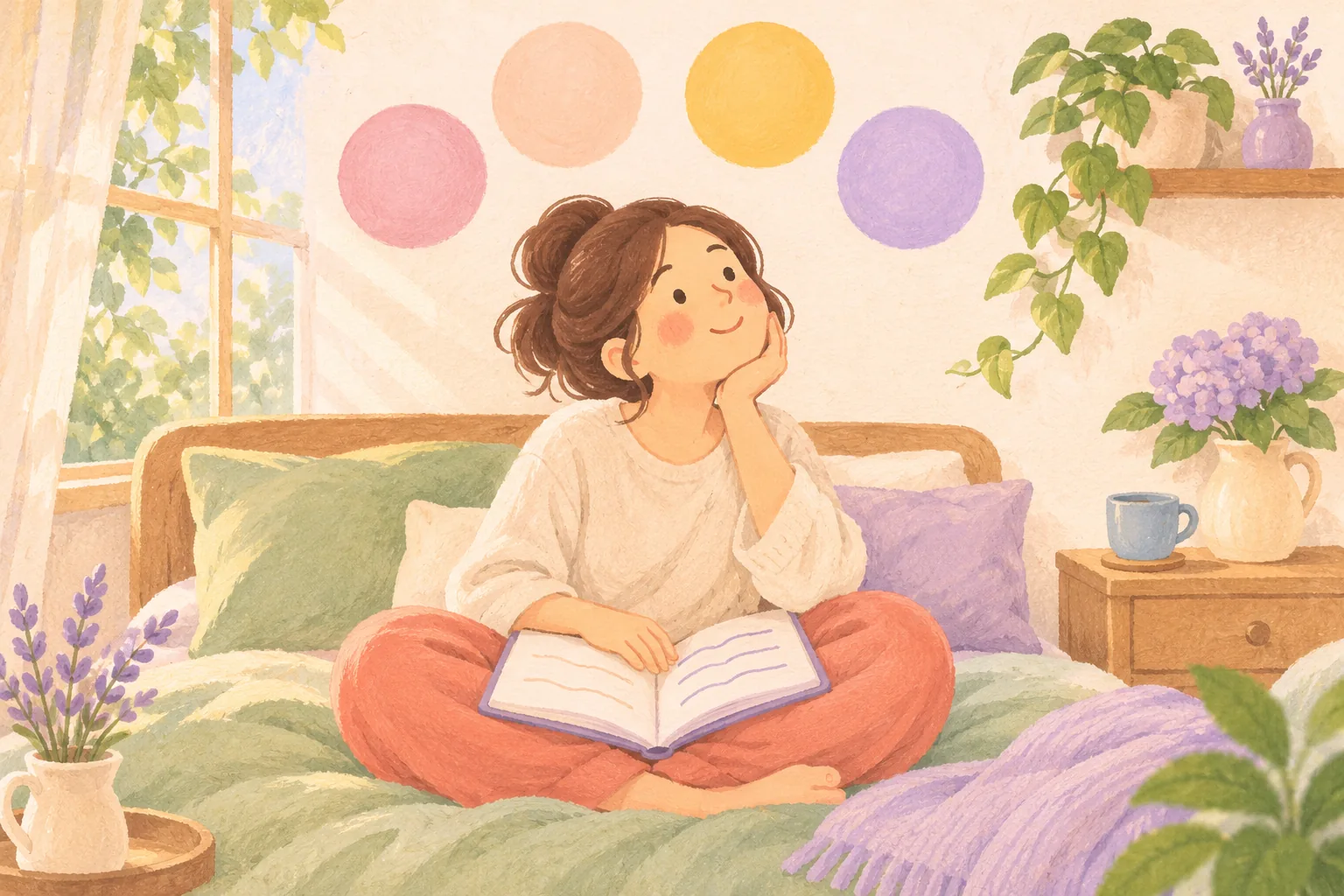
Have you noticed that some weeks your workouts feel easy and your ideas flow, while other weeks everything feels heavier? For many women that is not random. Hormones change across the menstrual cycle, and those changes can nudge energy, appetite, sleep and mood.
A quick note before we start: every cycle is different, and "cycle syncing" is sometimes sold with more certainty than the research supports. Think of the phases below as a map to compare with your own experience, not a set of rules.
A cycle runs from the first day of your period to the day before the next one. Anything from about 21 to 35 days is common, and your own length can vary from month to month.
Oestrogen and progesterone are both low. Many people feel more tired, and cramps can make movement less appealing. Be gentle with yourself: walking, stretching or easy strength work, warm meals, and a little extra sleep if you can manage it. Iron-rich foods such as lentils, leafy greens, red meat or fortified cereals are worth including, especially if your periods are heavy.
Oestrogen rises steadily. Many people notice more energy, a brighter mood and more appetite for new things. If you are planning a harder workout or a big project, this can be a good window for it.
Oestrogen peaks and a short surge of other hormones triggers the release of an egg. Some people feel at their most social and energetic, and a few notice a brief twinge of pain on one side.
Progesterone rises, then both hormones fall just before your next period. Feeling hungrier in this phase is normal, and your body temperature runs slightly higher, which can make sleep lighter. Premenstrual symptoms such as bloating, irritability, tender breasts or low mood usually appear in the last few days.
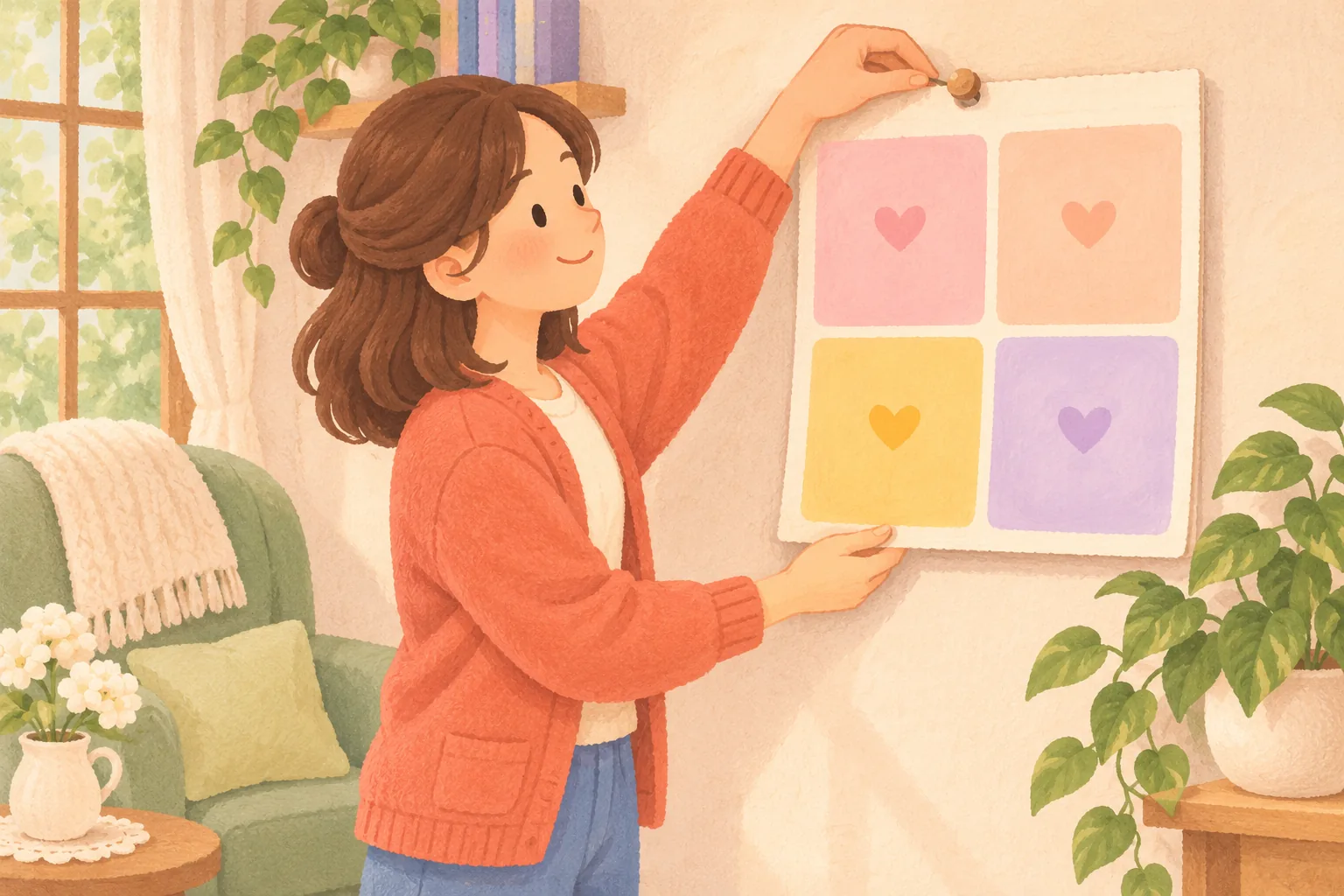
Hormonal contraception, pregnancy, breastfeeding, perimenopause and life after menopause all change this picture, and that is fine. The habits that support steady energy do not depend on having a regular cycle.
Very painful or very heavy periods, cycles that are often shorter than 21 days or longer than 35, bleeding between periods, periods that stop for three months or more when you are not pregnant, or low mood that seriously affects the week before your period are all worth discussing with a doctor.
The Vital Woman System includes a full cycle map and a printable cycle and symptom tracker. For the gut side of the story, read the gut-brain connection.
For education only. This content does not provide a diagnosis or replace care from a qualified healthcare professional. About Vital Life Journal & Our Content
 Hormones
Cortisol is not the villain wellness culture makes it out to be. Here is what it actually does, what a healthy daily rhythm looks like, and the everyday habits that push it off course.
 Hormones
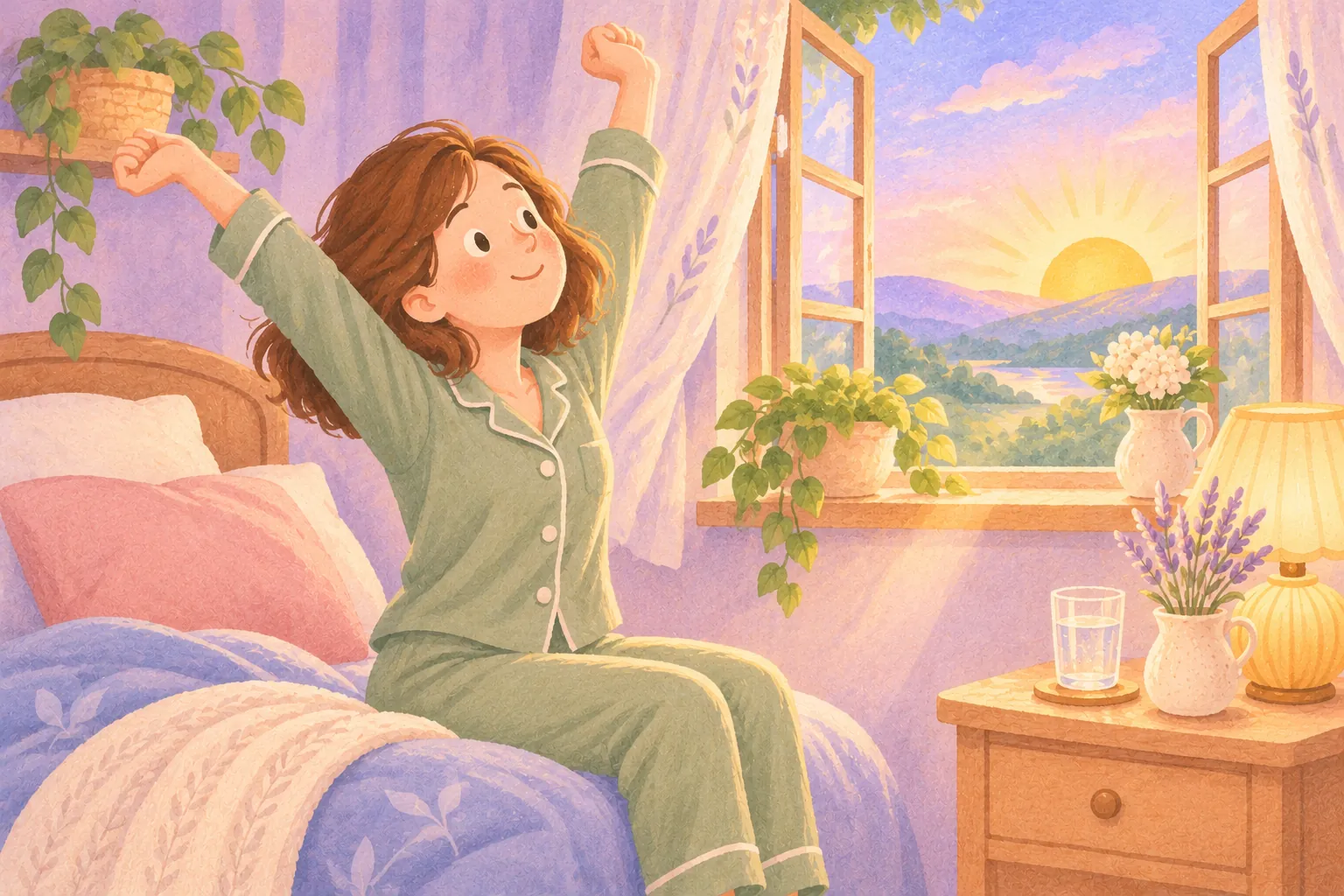
Cortisol is supposed to be highest in the morning. Here is how the cortisol awakening response works, what can throw your daily rhythm off, and the morning habits that support it.
 Hormones
Your body moves through three stages when stress keeps going: alarm, resistance and exhaustion. Here is what happens in each, what it means for cortisol, and how to move back toward recovery.