Healing Is Not Linear (And That Is Okay)
Some days you will feel whole. Other days you will feel broken. Both are part of the journey.
Self-compassion is not self-indulgence. It is the quiet decision to stop treating yourself like the enemy.
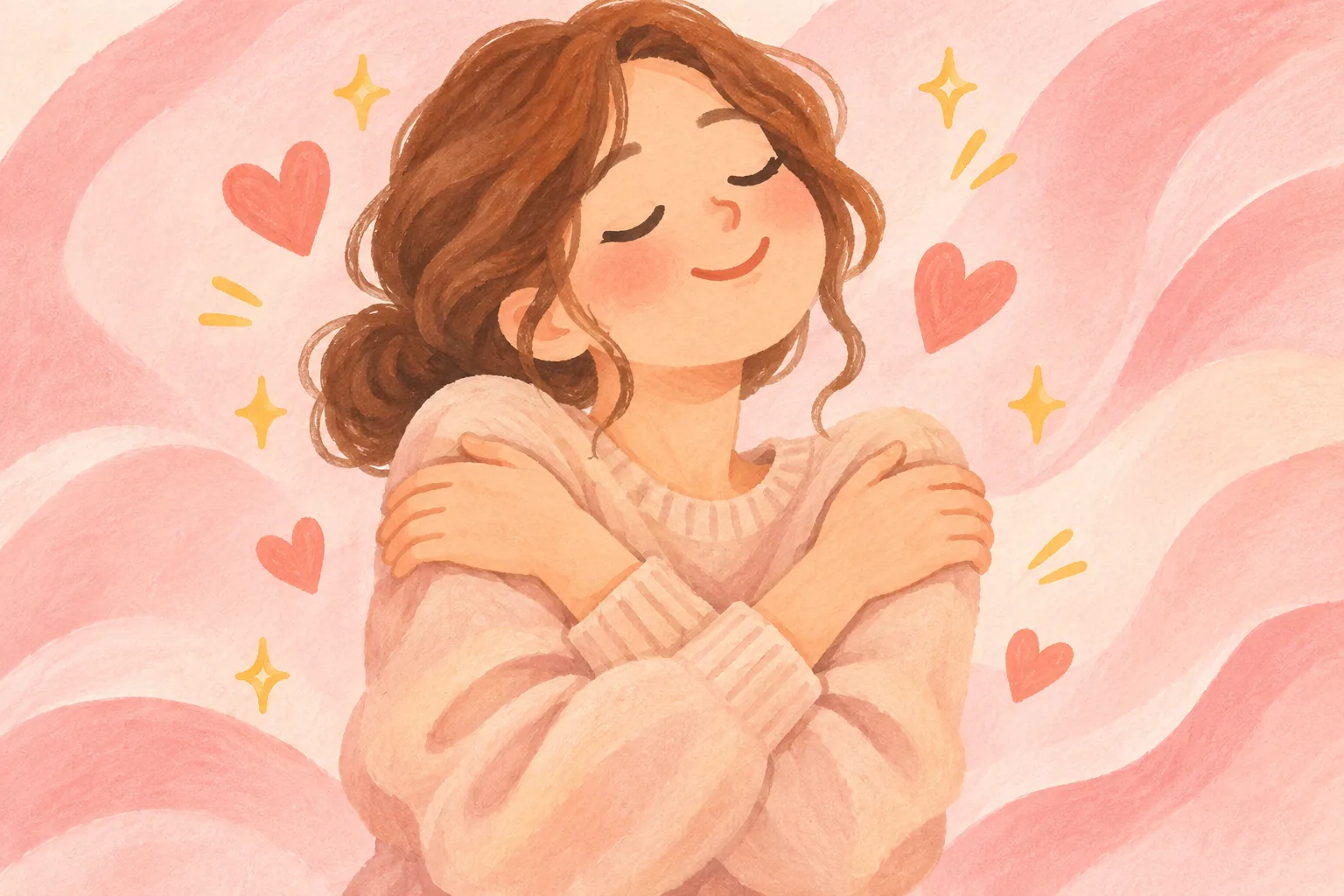
I do not remember the exact moment I decided to be kinder to myself.
There was no epiphany. No dramatic breakdown. Just a quiet morning when I caught myself mid-thought, tearing myself apart for something smallforgetting to reply to a message, eating the "wrong" thing, not being productive enough.
And for the first time, I stopped.
I asked myself: Would I talk to someone I love this way?
The answer was immediate. No. Never.
So why was I doing it to myself?
Self-compassion sounds soft. Indulgent. Like something people who "have it together" do not need.
But that is not what it is.
Self-compassion is not pretending everything is fine. It is not lowering your standards or giving up. It is the radical act of treating yourself like a human being who is allowed to struggle.
It is saying: "This is hard" instead of "I am failing."
It is saying: "I am doing my best" instead of "I should be doing more."

I grew up believing that being hard on myself would make me better.
Push harder. Do more. Never settle. Never rest.
And for a while, it worked. I achieved things. I looked successful. But inside, I was exhausted.
Because no matter what I did, it was never enough. There was always something to criticize. Something to fix. Something to prove.
I thought self-criticism was motivation. It was not. It was cruelty dressed up as ambition.
The shift started small.
Instead of berating myself for mistakes, I started noticing them without judgment.
"I forgot to do that. It happens. I will handle it tomorrow."
"I am tired today. That is okay. Rest is not weakness."
"I am struggling. That does not mean I am broken."
It felt awkward at first. Like I was lying to myself. But slowly, something changed.
I stopped feeling like I was constantly at war with myself.
Self-compassion is not about lowering expectations. It is about changing the tone.
You can still want to grow, improve, and challenge yourself. But you do not have to hate yourself into progress.
You can be kind and still be driven. You can rest and still be ambitious. You can make mistakes and still be worthy.
These things are not opposites. They are what make growth sustainable.
One of the hardest parts of self-compassion is forgiving yourself for the past.
For the things you did when you did not know better. For the ways you hurt yourself or others. For the time you feel you wasted.
I carried so much guilt. So much shame. I replayed old mistakes like a broken record, punishing myself over and over.
But here is what I learned: You cannot heal in the same environment that hurt you. And sometimes, that environment is your own mind.
Forgiveness is not forgetting. It is choosing to stop using the past as a weapon against yourself.
Self-compassion also means letting go of who you thought you would be by now.
The version of yourself that had it all figured out. The one who never struggled. The one who was always strong, always certain, always enough.
That version does not exist. And chasing it only makes you feel like you are failing.
The real youthe one who is messy, uncertain, still learningdeserves compassion too.
I started treating my inner voice like a friend.
When I felt anxious, instead of saying "Why are you like this?" I said, "What do you need right now?"
When I felt sad, instead of saying "Get over it," I said, "It is okay to feel this way."
When I felt overwhelmed, instead of saying "You should be able to handle this," I said, "This is a lot. You are doing your best."
It sounds simple. But it changed everything.
Self-compassion is not a one-time decision. It is a daily practice.
Some days, it comes easily. Other days, the old voice creeps back inharsh, critical, unforgiving.
But now, I notice it. I do not let it take over.
I pause. I breathe. I remind myself: I am not the enemy.
If you have spent years being hard on yourself, self-compassion will feel uncomfortable at first.
It will feel like you are being too easy on yourself. Like you are making excuses. Like you are giving up.
You are not.
You are learning to be on your own side. And that is one of the bravest things you can do.
So here is the question I will leave you with:
If you spoke to yourself the way you speak to someone you love, how would your inner world change?
You do not have to answer right away. Just notice. And maybe, just maybe, start being a little kinder.
For education only. This content does not provide a diagnosis or replace care from a qualified healthcare professional. About Vital Life Journal & Our Content
 Wellness
Some days you will feel whole. Other days you will feel broken. Both are part of the journey.
 Wellness
Boundaries are not walls. They are the quiet lines you draw to protect what matters most.
 Wellness
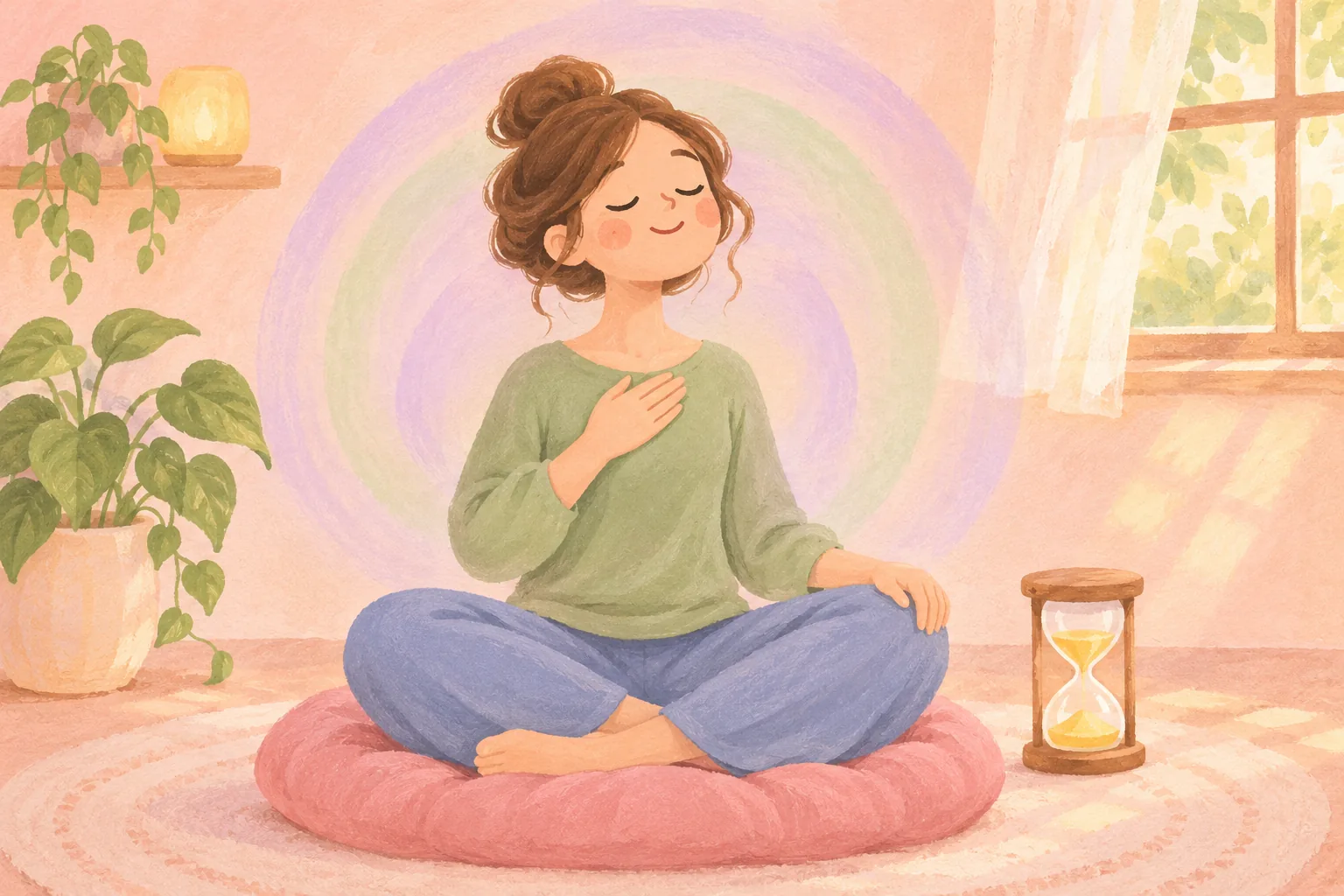
You do not need an hour of meditation. You just need 5 minutes and a technique that actually calms your nervous system.